

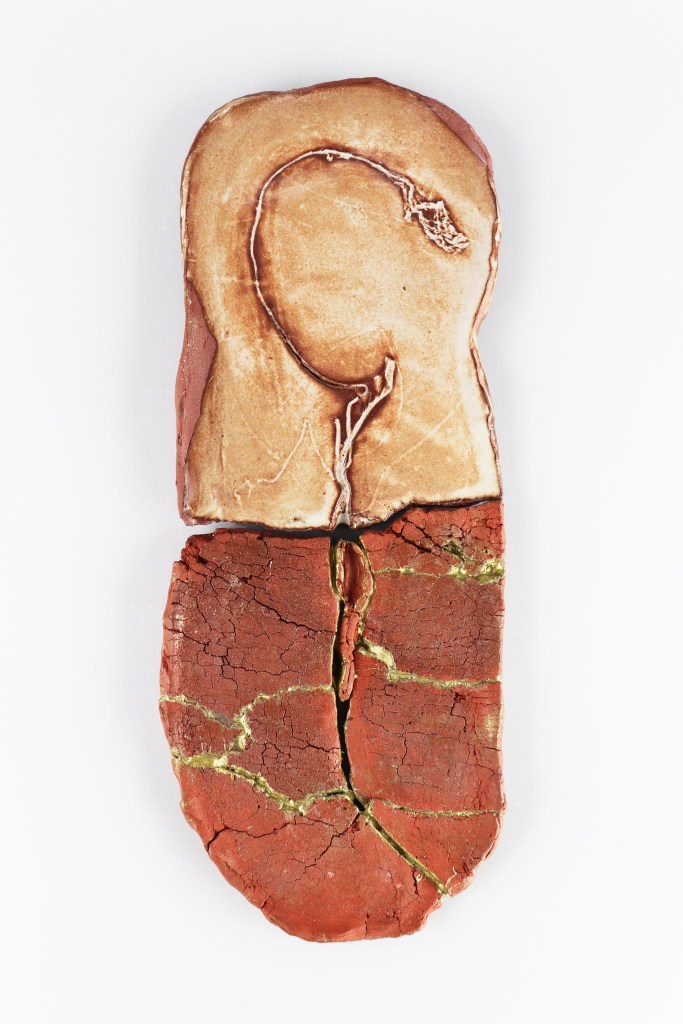
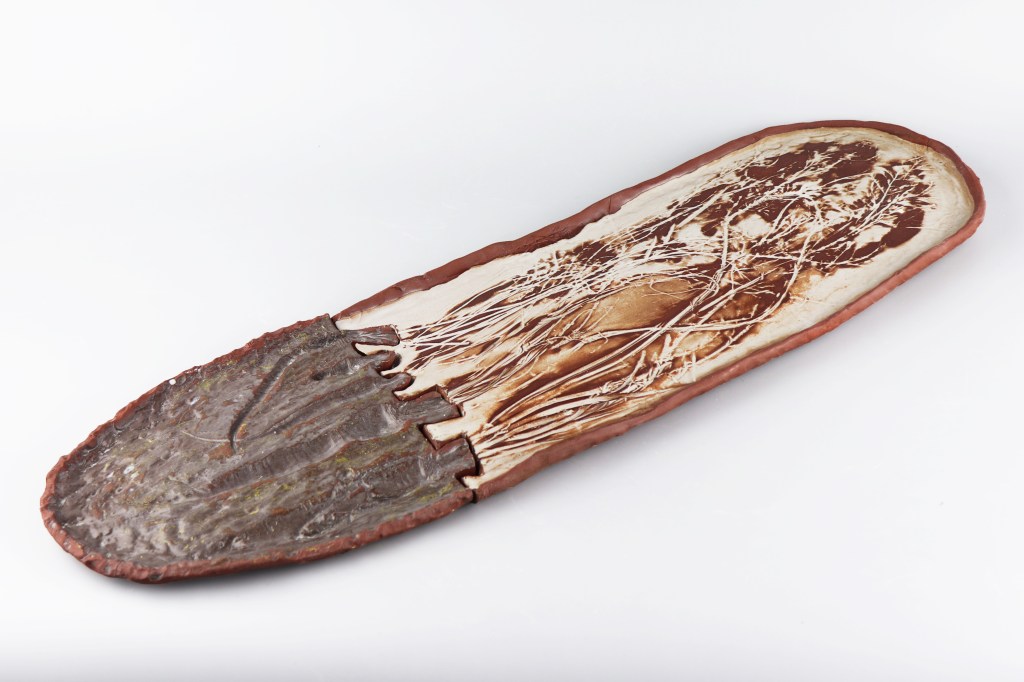
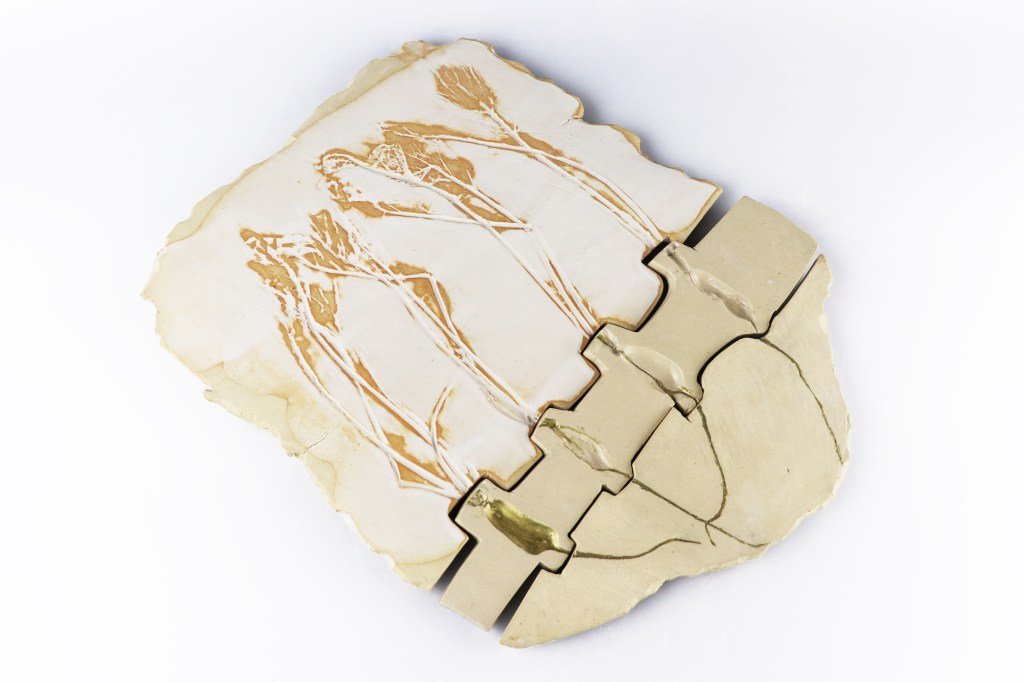
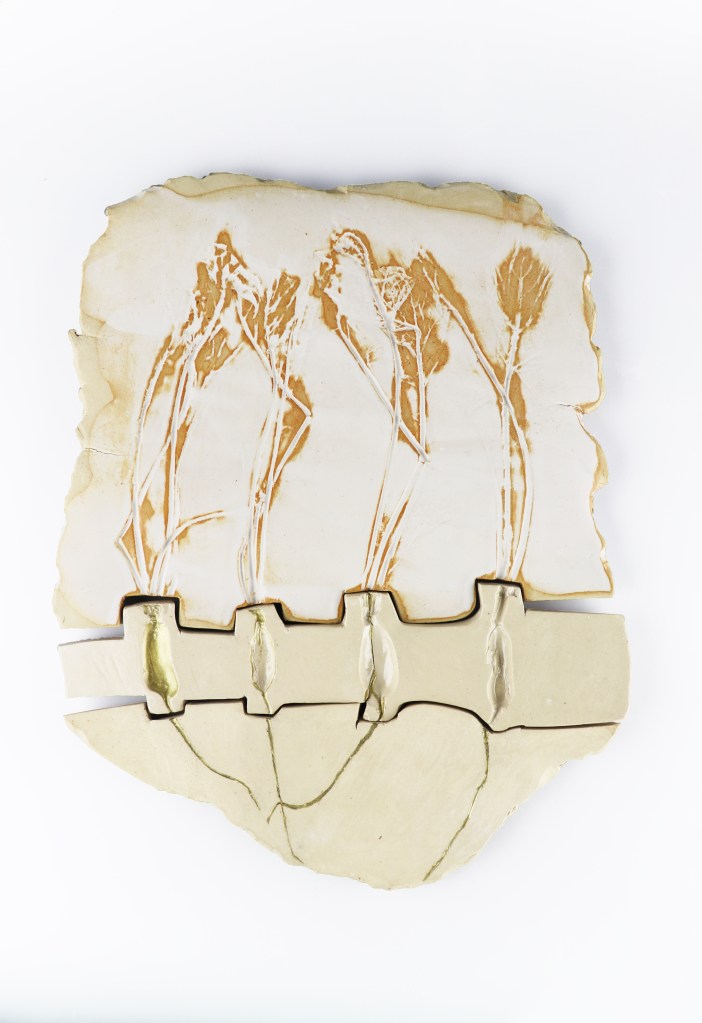
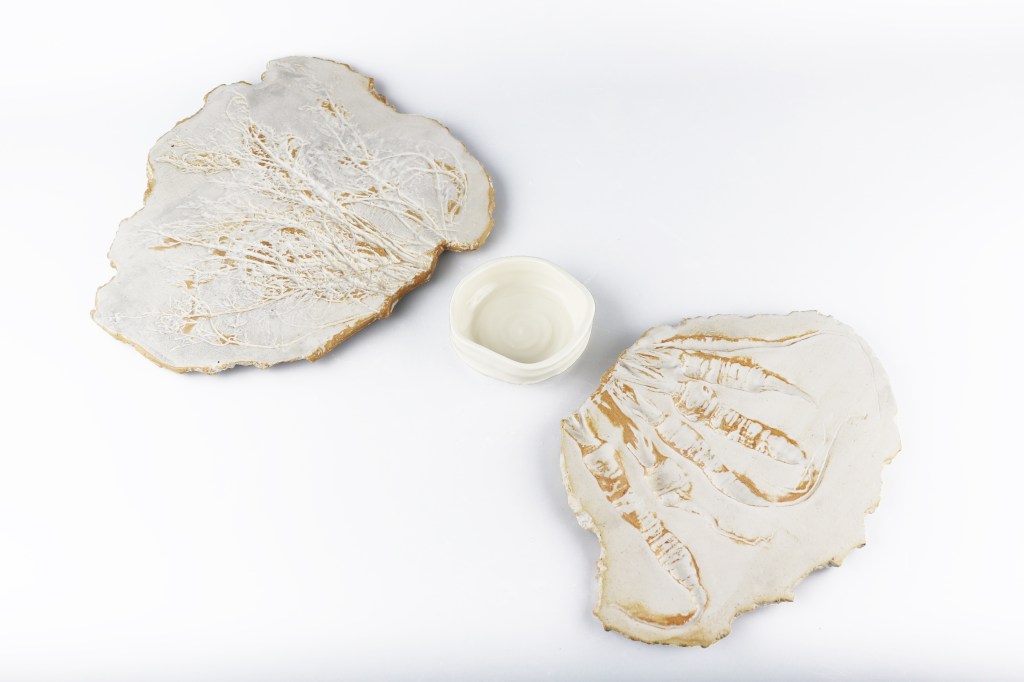
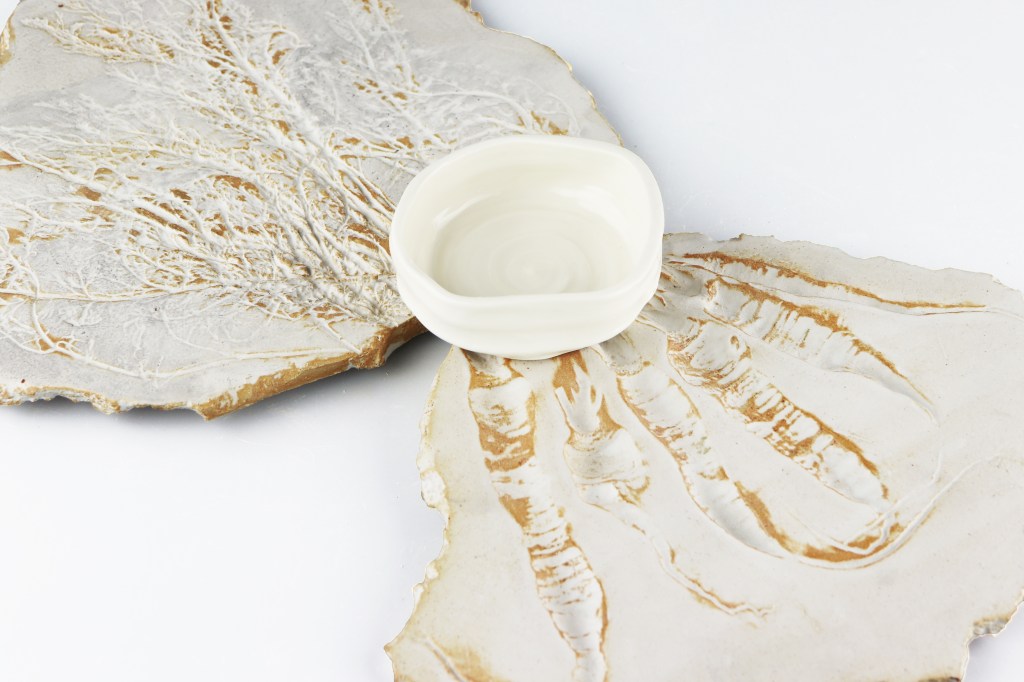
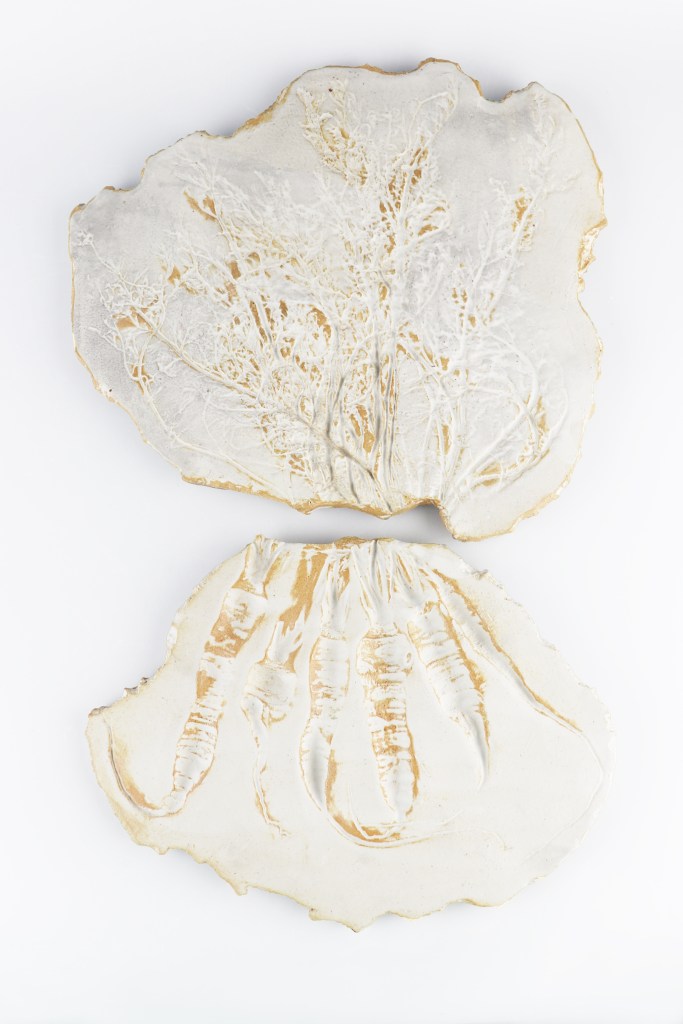
Réthy Kati, a Szezon kert alapítója és főkertésze révén olyan frissen szedett gyökérzöldségeket használtam fel a tálakon való lenyomatok kialakítására, melyeket ebben a formában a szupermarkethez szokott vásárló egyáltalán nem lát. Nemcsak a répa, a cékla vagy a retek zöldjének gyökérhez képesti nagysága az érdekes (bár biokiskerti körülmények között valóban nem “nő” akkorára a gyökér mint egy agyonvegyszerezett társáé), hanem maguk a gyökerek alakja, formája is. A tálalókat ezután puzzle alakhoz hasonló módon két vagy három részre metszettem el; a lenyomatnak éppen azokon a pontjain, ahol a bolti zöldségek egyes – egyébként ehető – részeit szokták levágni. A tálaló elemeinek illeszkedése révén az emlékeinkben nem összetartozó növényi részek összerakhatóvá válnak, erősítve ezzel a korábban hulladéknak tekintett részek fontosságának tudatát nemcsak a mi emberi életünk, de a teljes ökoszisztéma számára is.

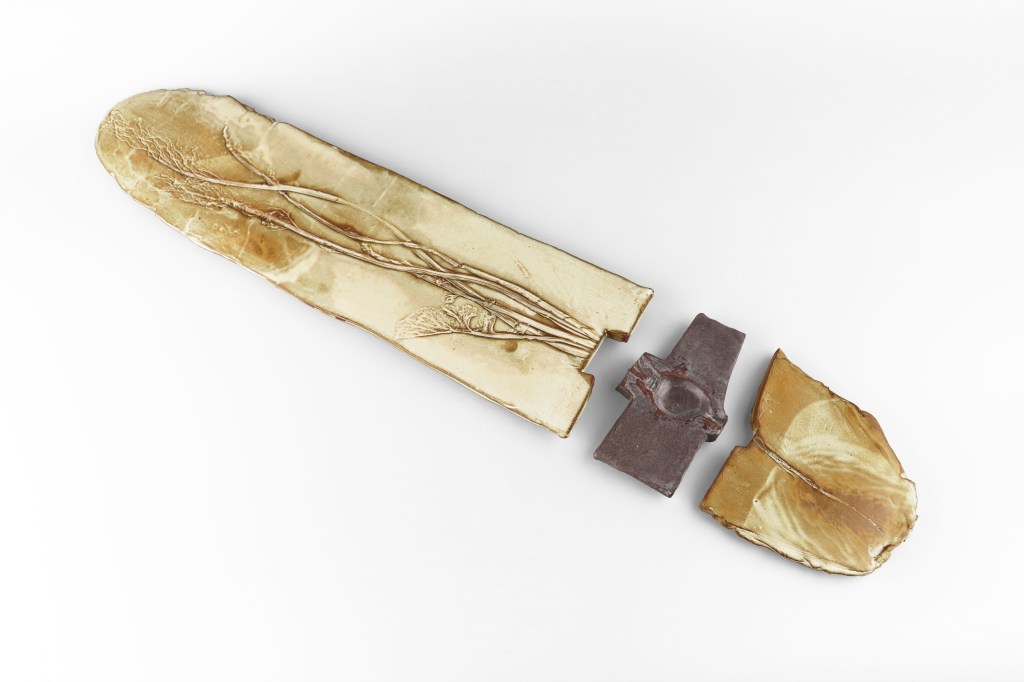
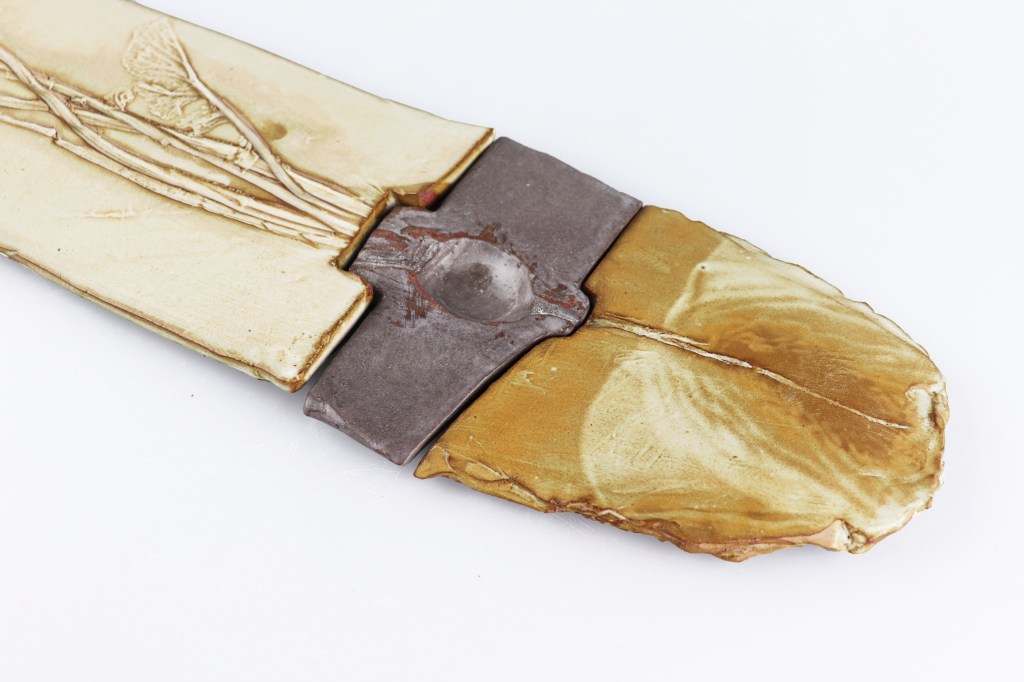
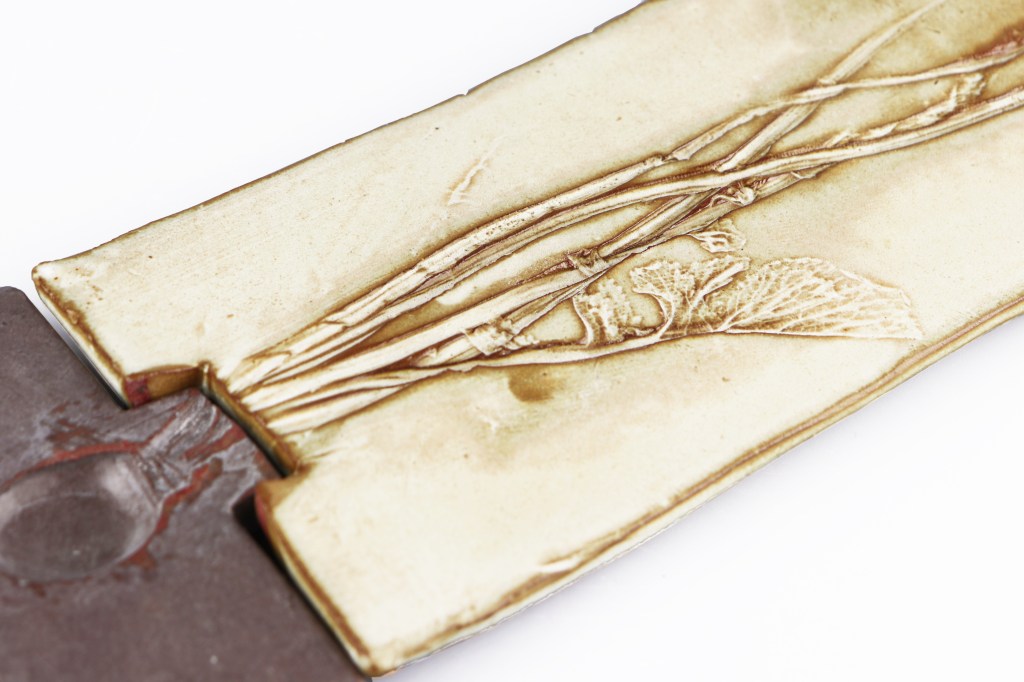
Through Kati Réthy, the founder and head gardener of the Szezon Kert, I used freshly picked root vegetables to create prints on ceramic trays, which the supermarket shopper would not see in this form. It is not only the size of the green of the carrot, beet or radish relative to the root that is interesting (although in organic garden conditions the root does not really ‘grow’ as large as its over-medicated counterpart), but also the shape and form of the roots themselves. I then cut the trays into two or three pieces in a puzzle-like way, at the very points of the impression where some of the otherwise edible parts of the vegetables are usually cut off. By fitting the elements of the tray, the parts of the vegetable that do not fit in our memories can be put together, reinforcing the importance of parts previously considered waste not only for our human lives, but for the ecosystem as a whole.
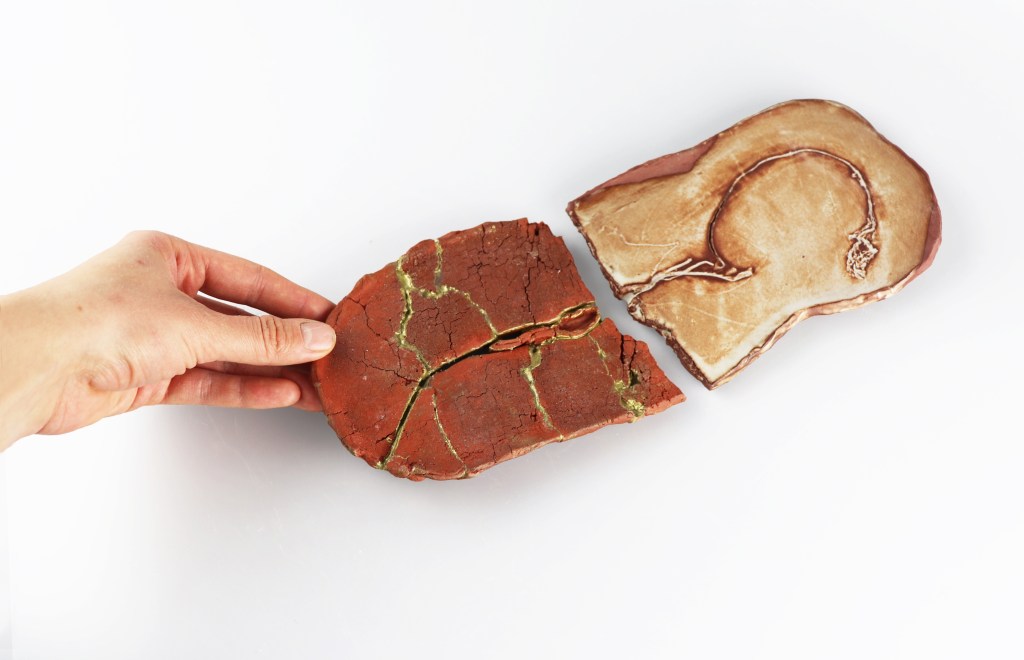






Limited collection
Material: High fired ceramics
2022
 Hajnal Gyeviki